
Crochet plush toys have become increasingly popular among brands, designers, and gift companies looking for products with a unique handmade appearance.
Unlike traditional plush toys made with soft fabrics such as minky or velboa, crochet plush toys use yarn-based construction to create a distinctive texture and handcrafted feeling. This makes them especially suitable for collectible products, boutique gift collections, character merchandise, and lifestyle brands.
For companies developing a custom plush product, crochet-style designs offer a different visual identity. However, creating a successful crochet plush toy requires careful consideration of design, materials, production methods, and the intended market.
This guide explains what brands should know before developing custom crochet plush toys.
What Are Crochet Plush Toys?
Crochet plush toys are soft toys created using crochet techniques, where yarn is formed into three-dimensional shapes and combined with filling materials to create a stuffed product.
Many crochet plush toys are also known as amigurumi, a style of small crocheted or knitted stuffed figures that originated from Japan.
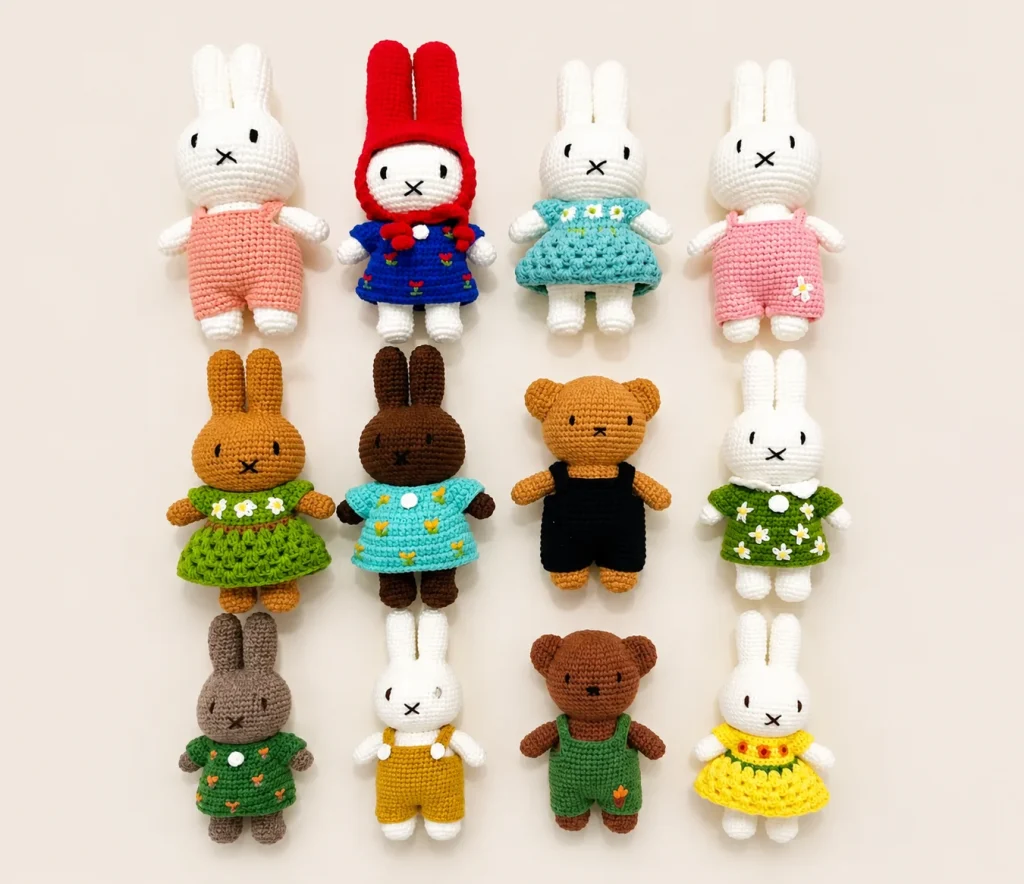
Common crochet plush designs include:
- Animal characters
- Fantasy creatures
- Original brand characters
- Food-shaped plush toys
- Mini collectible plush items
- Plush keychain accessories
Compared with traditional plush toys, crochet plush products have a more handcrafted appearance because of the visible yarn texture and unique construction style.
Why Are Crochet Plush Toys Popular?
The growing popularity of crochet plush toys comes from their combination of creativity, personality, and collectible value.
A Handmade and Premium Appearance
The visible crochet texture creates an artisan-inspired look that helps products stand out from standard plush toys.
This style is often preferred by:
- Boutique brands
- Gift companies
- Lifestyle brands
- Character merchandise companies
- Independent designers
A crochet plush toy can create a warmer and more personal feeling, making it attractive as a gift or collectible product.
Strong Collectible Appeal
Crochet plush toys often have a distinctive appearance that works well for collectible collections.
Brands may develop crochet-style products as:
- Limited-edition items
- Character collections
- Seasonal gifts
- Blind box concepts
- Brand merchandise
A Different Brand Identity
Traditional plush toys usually focus on softness, comfort, and cute expressions.
Crochet plush toys create a different product experience through:
- Handmade-style texture
- Unique visual details
- Creative character expression
- Storytelling potential
Crochet Plush Toys vs Traditional Plush Toys
Both crochet plush toys and traditional plush toys can be customized, but they create different product experiences.
| Crochet Plush Toys | Traditional Plush Toys | |
|---|---|---|
| Main material | Yarn | Plush fabric |
| Appearance | Handmade texture | Soft fabric surface |
| Production method | Crochet construction | Cutting and sewing |
| Design style | Artisan and collectible | Wide range of styles |
| Suitable for | Boutique products and collectibles | Retail, promotional, and character plush |
Traditional plush manufacturing remains the most common choice for large-scale plush production because it provides more flexibility in size, shape, materials, and production efficiency.
However, crochet-style plush toys can be an excellent choice when a brand wants a special handmade-inspired appearance.
Materials Used for Custom Crochet Plush Toys
Material selection directly affects the appearance, softness, durability, and production result.
Crochet Yarn
Different yarn types create different textures and product appearances.
Common options include:
- Cotton yarn
- Acrylic yarn
- Polyester yarn
- Chenille yarn
Each yarn type has different characteristics in terms of softness, thickness, color options, and production performance.
Filling Material
Similar to traditional plush toys, crochet plush products usually require internal filling to create the desired shape and softness.
Common filling materials include:
- PP cotton
- Polyester fiberfill
The filling affects:
- Shape retention
- Softness
- Weight
- Overall hand feel
For more information about plush filling materials, see our guide:
PP Cotton vs Recycled Filling for Plush Toys: What Buyers Should Know
Can Crochet Plush Toys Be Mass Produced?
One common question from brands is whether crochet plush toys can be manufactured for larger production quantities.
The answer depends on the design, size, construction method, and production requirements.
Traditional handmade crochet products are often made individually, which can create challenges with consistency and production speed.
For commercial projects, brands should consider several factors.
Design Complexity
Simple crochet designs are usually easier to control during production.
Complex designs with:
- Many small parts
- Multiple colors
- Detailed accessories
- Complicated structures
may require more development time and additional quality control.
Product Size
Size has a direct impact on:
- Material usage
- Production time
- Labor requirements
- Final cost
A small crochet plush toy may work well as a collectible item or accessory, while larger designs require more careful production planning.
Quality Consistency
For retail products, brands need consistency in:
- Shape
- Color
- Stitch appearance
- Filling amount
- Overall workmanship
A professional manufacturing partner can help adjust the design to achieve a balance between handmade appearance and production stability.
Design Considerations Before Developing Crochet Plush Toys
Before starting a custom crochet plush project, brands should prepare clear product information.
1. Reference Artwork or Character Design
Manufacturers should understand the product concept through:
- Character artwork
- Sketches
- Reference images
- Color requirements
Clear design references help evaluate production feasibility and expected appearance.
2. Target Size
The size of a crochet plush toy affects:
- Yarn consumption
- Production time
- Packaging requirements
- Shipping cost
3. Intended Use
Different applications may require different design considerations.
A crochet plush toy designed as a collectible item may have different requirements compared with:
- Children’s toys
- Retail products
- Promotional gifts
- Brand merchandise
4. Safety Requirements
If the product is intended for children, safety requirements should be considered from the beginning.
Important factors include:
- Secure attachment of parts
- Suitable materials
- Age grading
- Applicable safety testing requirements
How to Make Crochet Plush Designs More Production-Friendly
A beautiful design is important, but a successful commercial product also needs to be practical for manufacturing.
Some design adjustments may help improve production efficiency.
Keep Important Character Features
The most recognizable elements should be prioritized, such as:
- Face expression
- Main colors
- Character shape
- Signature features
Avoid Excessively Small Details
Very small details may become difficult to produce consistently.
Design elements should be reviewed carefully before sampling.
Consider Production Methods Early
Discussing production methods during the design stage can help avoid unnecessary changes later.
For more information about preparing character designs for production, see:
How to Simplify a Complex Character Plush Design for Production
Crochet Plush Toys for Brands and Collectors
Crochet plush toys are especially suitable for brands looking for products with personality and storytelling value.
They can be used for:
- Original character collections
- Gift products
- Lifestyle brands
- Limited-edition merchandise
- Collectible plush series
For brands that want a handmade appearance while maintaining professional product development, early communication with a manufacturer is important.
A suitable manufacturing partner can help evaluate:
- Design feasibility
- Material selection
- Production methods
- Cost considerations
- Sample development
How to Start Your Custom Crochet Plush Project
Developing a custom crochet plush toy usually involves several steps:
- Share your design concept or artwork
- Confirm size, materials, and quantity
- Review production feasibility
- Develop a prototype sample
- Make adjustments before bulk production
Understanding the sampling process is an important part of custom plush development.
Learn more about the sample process here:
Soft Toy Prototype Guide: How Custom Plush Toy Prototypes Are Made
If you are developing a crochet-style plush product for your brand, gift collection, or retail program, you can share your design ideas with our team for review.
Creating Crochet Plush Toys for Your Brand
Custom crochet plush toys provide brands with a unique way to create products that feel handmade, creative, and collectible.
While crochet plush production requires different considerations compared with traditional plush toys, the right design approach can help create products that balance creativity, quality, and commercial potential.
For brands developing original characters, gift collections, or collectible products, crochet plush toys can be an effective way to create a memorable product experience.