
This plush toy packaging guide is designed to help importers choose the right packaging for custom plush toys before production begins.
When importers develop a custom plush toy, most of the early discussion usually focuses on design, fabric, size, custom plush toy sampling, and production lead time.
In practice, that can create unnecessary problems.
For custom plush toys, packaging is not just about how the finished product looks. It can affect quotation accuracy, shipping cost, carton quantity, retail presentation, labeling, and even the production schedule. If packaging details are confirmed too late, buyers may face artwork revisions, repacking issues, or delays before shipment.
That is why packaging should be considered early in the project, not treated as a final step.
In this guide, we will look at the most common packaging options for custom plush toys, how packaging affects cost and logistics, and what importers should confirm before production starts.
Why Packaging Matters for Custom Plush Toys
Packaging plays both a practical and commercial role.
First, it helps protect the plush toy during storage and transportation. This is especially important for products with delicate accessories, special shapes, or retail presentation requirements.
Second, packaging affects how the product is perceived by the customer. A simple poly bag may be suitable for a bulk order or promotional giveaway, while a printed box or header card may be more appropriate for retail shelves or gift-focused products. Gift presentation is especially important for custom plush hotel mascots and welcome gifts, where the packaging may need to reflect the hotel’s brand and the guest experience.
Third, packaging can influence cost. Different materials, printing methods, and box structures can increase both the unit price and the packing workload. In some cases, packaging also affects carton efficiency, which directly impacts freight cost.
If packaging details are confirmed too late, buyers may face artwork revisions, repacking issues, or delays before shipment, especially when important quotation details were not clarified early.
Common Packaging Options for Plush Toys
There is no single packaging solution for every plush toy project. The right choice depends on the product type, target market, sales channel, and budget.
Individual Poly Bag
The individual poly bag is one of the most common packaging options for plush toys. It is simple, low-cost, and widely used for standard export orders.
This option is often suitable for:
- bulk orders
- basic retail preparation
- e-commerce fulfillment
- promotional plush items
Although it is simple, buyers still need to confirm whether any warning text or labels are required for the target market.
Printed Poly Bag
A printed poly bag offers the same basic function as a plain bag, but with custom branding or product information added to the packaging.
This option may be useful when the importer wants:
- a cleaner branded presentation
- product identification on the bag
- logo printing
- simple packaging without using a retail box
Compared with plain packaging, printed bags usually require artwork confirmation before production and may add a small extra cost.
Header Card Bag
Header card packaging combines a plastic bag with a printed top card. It is often used for smaller plush items that are intended for hanging display.
It is commonly used for:
- plush keychains
- small promotional plush toys
- gift shop items
- hanging retail products
This type of packaging is especially common for custom plush keychains and other small hanging retail products. For buyers who want low-cost packaging with some brand visibility, this can be a practical option.
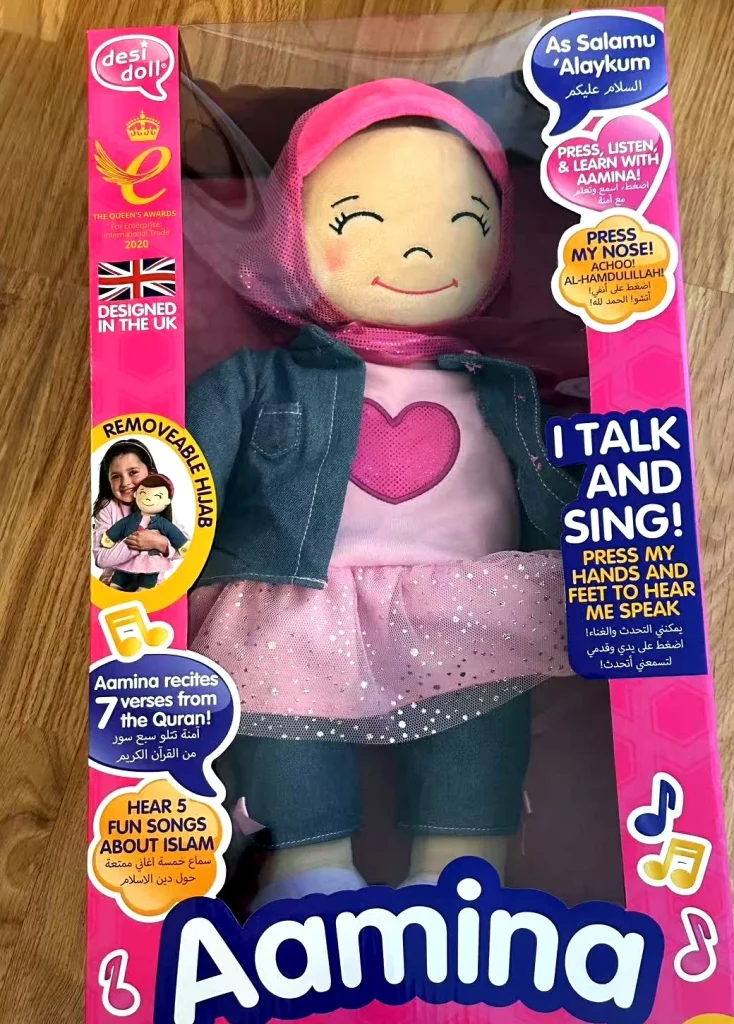
Color Box or Window Box
A color box or window box is often used when the plush toy is intended for retail shelves, gift sales, or premium presentation.
This option is more common for:
- licensed character plush
- baby gift items
- boutique plush collections
- retail-ready products
Box packaging usually creates a stronger visual presentation, but it also requires more planning. It may increase packaging cost, take up more shipping space, and require print files to be finalized earlier.
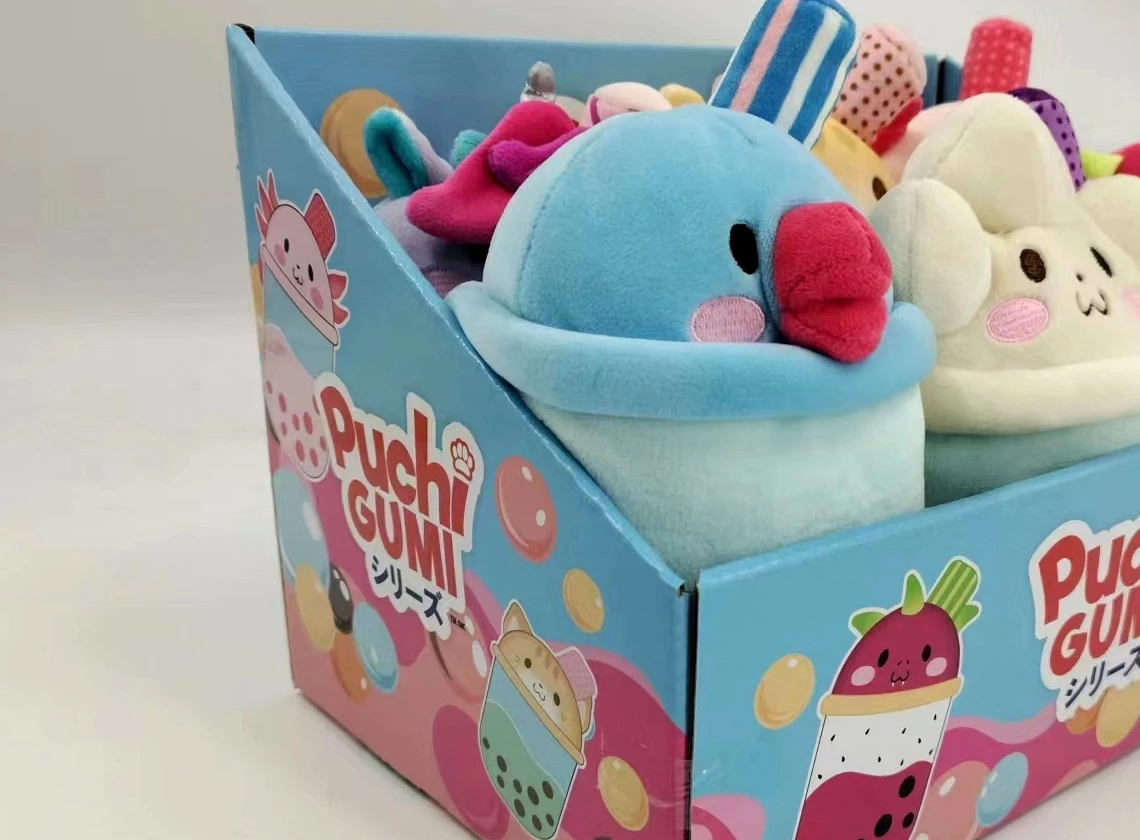
Display Box or PDQ Packaging
Display-ready packaging is often used for promotional programs or retail display projects where multiple units are packed together for direct shelf or counter presentation.
This option may be suitable for:
- seasonal promotions
- event merchandise
- point-of-sale programs
- retail assortment packs
Compared with simple individual packaging, display packaging is more specialized and usually needs earlier planning.
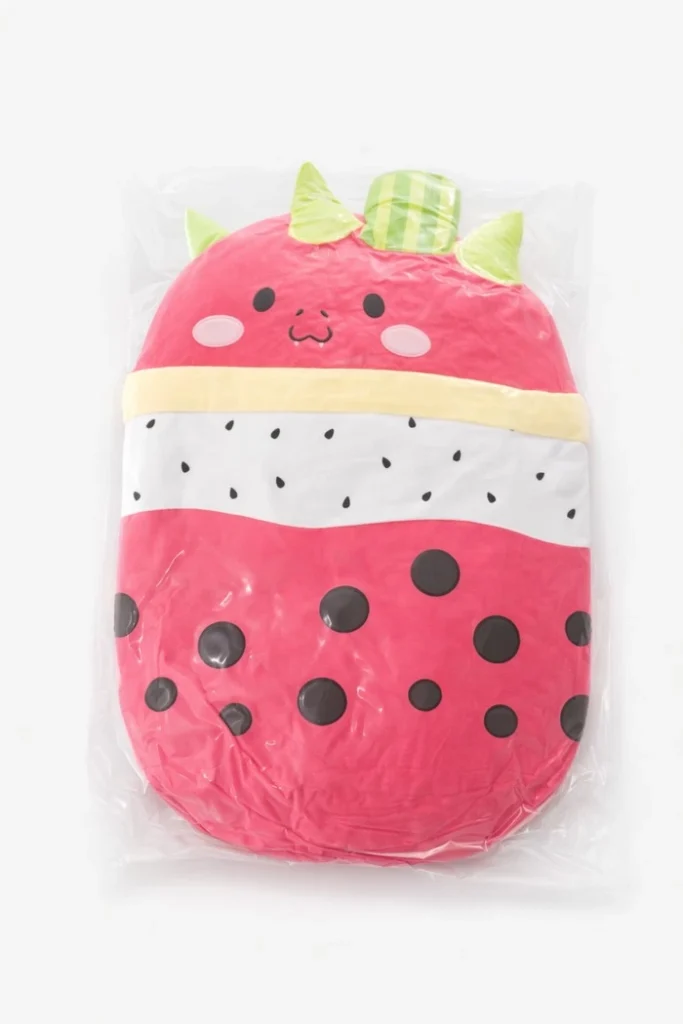
Vacuum Packaging
For larger plush toys, vacuum packing may help reduce shipping volume and improve carton efficiency. This can be useful for importers who want to save space during transport.
However, not every plush toy is suitable for vacuum packing. Some toys may include shape-sensitive parts, delicate trims, or accessories that do not recover well after compression. This should always be confirmed with the manufacturer before mass production.
Hang Tag and Care Label Only
Some buyers prefer very simple packaging and only use a hang tag plus a sewn-in care label. This is sometimes chosen for boutique products, minimalist branding, or projects where outer packaging is not necessary.
This option may work well when the goal is to keep packaging cost lower or create a more natural presentation.
What Importers Should Confirm Before Packaging Is Finalized
To avoid delays and packing mistakes, importers should confirm packaging requirements as early as possible. The most important points usually include the following.
Product Size and Shape
The plush toy’s size, weight, and shape will directly affect packaging choice. A small plush keychain and a large stuffed animal obviously cannot use the same approach.
Sales Channel
The intended sales channel matters. Packaging for retail display is different from packaging for online orders, promotional giveaways, or wholesale bulk shipments.
Individual Packaging Requirement
Some projects require each unit to be packed separately, while others do not. Buyers should make this clear early in the process.
Artwork Files
If the packaging includes printed elements such as logos, inserts, boxes, or header cards, final artwork files will usually be required before production. To make this step easier, buyers may also want to review how to prepare artwork for custom plush toy sampling and packaging-related design files.
Labeling and Barcode Information
Many importers need barcode labels, SKU stickers, warning text, care labels, or retailer-specific packaging details. These requirements should be confirmed early so they can be included correctly.
Outer Carton Requirements
Packaging planning also includes carton marks, outer carton size, carton quantity, and shipping labels. These details become even more important for larger orders or retail programs.
Suitability for Vacuum Packing
If the buyer wants to reduce freight volume through compression, the manufacturer should confirm whether vacuum packing is suitable for the product structure.
How Packaging Affects Cost
Packaging can change the final cost of a plush toy project in several ways.
The main cost factors usually include:
- packaging material
- print type and print colors
- box structure
- inserts or accessories
- labor required for packing
- outer carton efficiency
A basic poly bag usually adds only a small amount to the overall cost. On the other hand, custom printed retail packaging may increase both the unit price and the preparation time.
This is why packaging should ideally be discussed during quotation, rather than after the toy sample has already been approved and the custom plush toy cost has already been estimated.
How Packaging Affects Shipping
Packaging may also affect the custom plush toy production lead time, especially when printed boxes, header cards, or additional labeling requirements need to be prepared before shipment.
A product with bulky packaging may look better at retail, but it may also reduce the number of units that fit into each carton. That can increase total shipping volume and freight cost. In contrast, simpler packaging often allows better carton utilization.
For some larger plush items, vacuum packing may help reduce space, but this depends on the toy design and how well it can recover its shape.
Importers who want accurate freight planning should confirm the packaging style before final carton calculations are made.
Packaging and Labeling Requirements
Different markets may require different labeling or packaging information. Depending on the destination country and the type of plush toy, buyers may need to confirm:
- poly bag warning text
- age grading
- care instructions
- country of origin marking
- material information
- barcode labels
- retailer-specific packaging labels
- language requirements
In most cases, the manufacturer can apply labels according to buyer instructions, but the importer is still responsible for confirming what is required for the destination market.
When Packaging Should Be Confirmed
Ideally, packaging should be discussed during the quotation stage, or at least before sampling is finalized.
If buyers wait until mass production is already underway, changes to packaging may affect:
- quotation accuracy
- print file preparation
- sample presentation
- packing method
- shipping calculation
- production timing
The earlier packaging is confirmed, the easier it is to keep the project organized and avoid unnecessary changes later. To reduce packing mistakes and final inspection issues, buyers should review a plush toy quality checklist for importers before mass production and shipment.
What a Plush Toy Manufacturer Usually Needs From the Buyer
To prepare the correct packaging, a manufacturer will usually need the following information from the buyer:
- packaging type
- product size
- packaging dimensions if specified
- print artwork files
- barcode information
- warning text if required
- carton requirements
- intended sales channel
Providing this information early helps the factory quote more accurately and prepare the correct packing method. This is also closely related to what a plush toy manufacturer needs before quoting, especially when packaging affects unit cost and carton planning.
Final Thoughts
For importers, plush toy packaging should not be treated as a last-minute detail. It affects cost, presentation, shipping, and labeling, and it often has to be confirmed earlier than many buyers expect.
Whether the project uses a simple poly bag, a printed header card, a color box, or a display-ready solution, the best packaging choice depends on the product, market, and sales channel.
When packaging requirements are discussed early, it becomes much easier to quote correctly, plan production smoothly, and deliver the right product experience to the end customer.